

How to Measure Your Wrist Size Without a Tape Measure
If you are shopping for a bracelet or watch and do not have a measuring tape handy, you can still get an accurate wrist measurement using everyday items. Learning how to measure wrist size without tape is simple, quick, and surprisingly reliable when you follow the proper steps.


Updated March 26, 2026
Why Wrist Measurement Matters
Knowing your wrist size helps you choose jewelry that feels comfortable and secure. A bracelet that is too tight can feel restrictive, while one that is too loose may slide around or fall off. Even a slight difference in measurement can alter how a piece feels when you wear it.
Best Ways to Measure Your Wrist Without a Tape Measure
If you do not have a measuring tape, these simple methods use everyday items to help you get an accurate wrist measurement at home.
Use a String, Floss, or Ribbon
This is the most accurate way to measure your wrist without a tape measure.
Wrap a piece of string, dental floss, ribbon, or even yarn around your wrist where you would normally wear a bracelet. Make sure it is snug but not tight. Mark the point where the ends meet using a pen or your finger.
Once marked, lay the string flat and measure its length using a reference object with a known size, such as a ruler, a piece of paper, or a household item. This measurement is your wrist size.
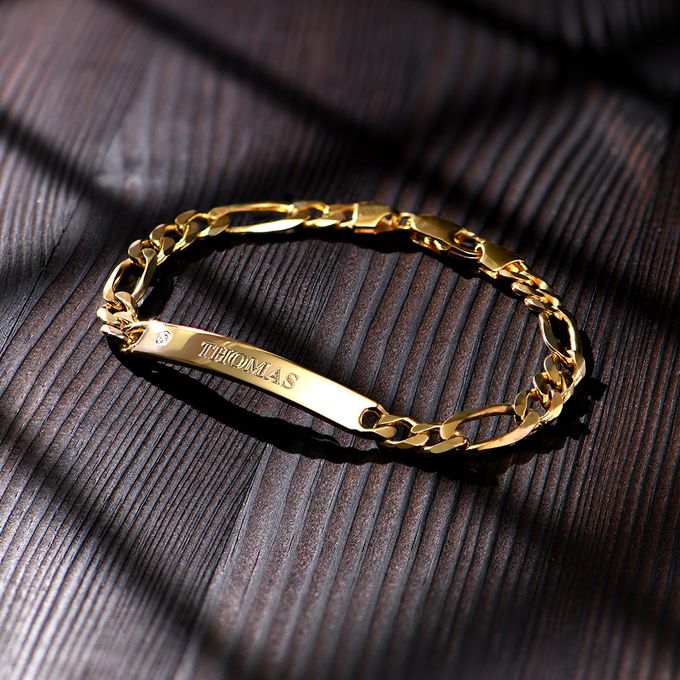
Use a Common Object as a Reference
If you don't have a ruler, many everyday items have standard dimensions that you can use.
A U.S. dollar bill is about 6.14 inches long. Wrap your string around your wrist, then compare the length to the dollar bill to estimate your measurement. Credit and debit cards are typically about 3.37 inches wide, so you can use multiples of the card width as a guide. A standard sheet of paper is 11 inches tall, which can also help when estimating longer measurements.
These methods are not perfect, but they work well when you are careful and double-check your estimate.
Measure an Existing Bracelet
If you already own a bracelet that fits well, you can use it as a sizing guide.
Lay the bracelet flat on a table. If it is a chain bracelet, measure the inside length from clasp to clasp using a reference object. For stretch or beaded bracelets, gently form them into a circle and measure the inside circumference as accurately as possible.
This method is especially helpful when buying a similar style.
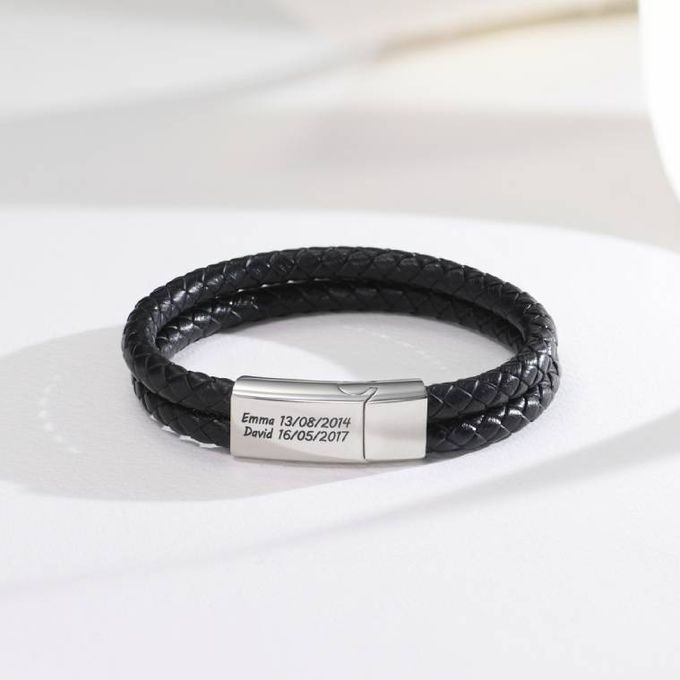
How Much Extra Length to Add for Comfort
Your wrist measurement does not match the bracelet length. Most bracelets require extra room to sit comfortably and move naturally.
For a snug fit, add approximately 1/4 inch (6 millimeters) to your wrist measurement. For a comfortable everyday fit, add about 1/2 inch, or 12 to 13 millimeters. If you prefer a looser style, you can add slightly more.
Quick Tips and Common Mistakes
A few small details can make a big difference in accuracy.
- Measure your wrist later in the day, when it is naturally slightly larger.
- Wrap the string snugly, not tightly, to avoid a restrictive fit.
- Measure two or three times to confirm consistency.
- Measure directly on the skin, not over clothing or sleeves.
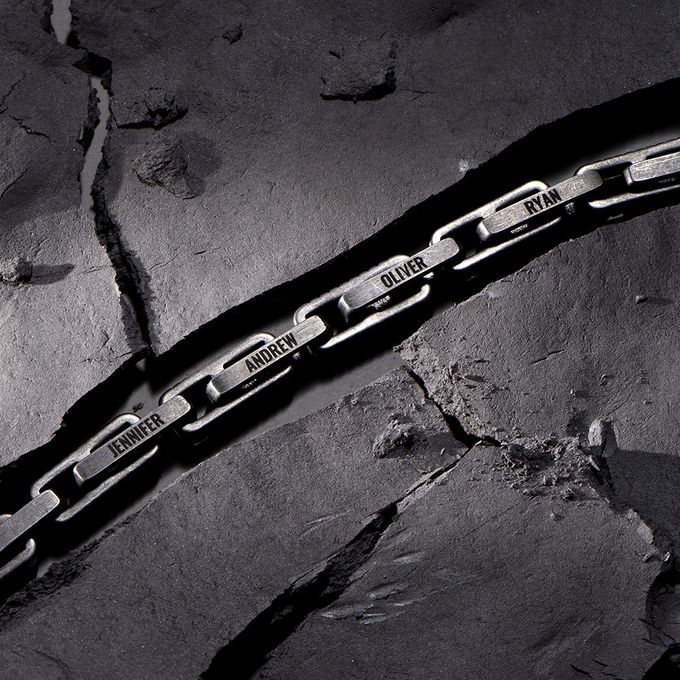
Wrist Sizing at TheoGrace
At TheoGrace, bracelet sizing is designed to feel simple and flexible. Clear sizing guidance and adjustable options help ensure a comfortable fit, even when measuring without traditional tools. This approach makes it easier to choose a bracelet that feels right from the first wear.
FAQs
Can I measure my wrist without a string or tape?
Yes. You can use items like a ribbon, floss, paper strip, or even a bracelet you already own. You just need a way to compare the length to a known object.
How accurate are these methods?
When done carefully, these methods are usually accurate enough for choosing bracelet sizes. Measuring more than once helps improve accuracy.
Should I measure tight or loose?
Measure snugly, not tightly. The extra length for comfort is added after you measure.
Does wrist size change?
Yes. Wrist size can fluctuate slightly throughout the day due to changes in temperature, activity, and hydration, so a small amount of variation is normal.
What if I am between sizes?
If you are between sizes, it's generally recommended to choose the larger size, as it usually feels more comfortable for everyday wear.